¶ Groups
The "Groups" feature in the Communications module is a way to create a custom "filter" to be used in Segments. Custom groups of people are created manually by entering a list of people, using email, person ID or Member NRDS ID. Once a group is created, it will appear in Segment Filters under "Communications" and perform just like any other Segment Filter.

¶ Creating a Group
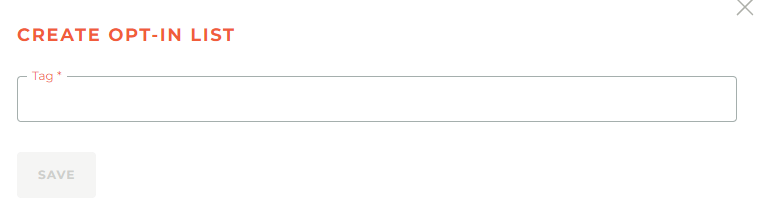
By clicking on the plus icon - - on the top right a Group creation slide will open to input the group name.
¶ Group options
¶ Edit
Opens a slide to Edit the group tag
¶ Add people
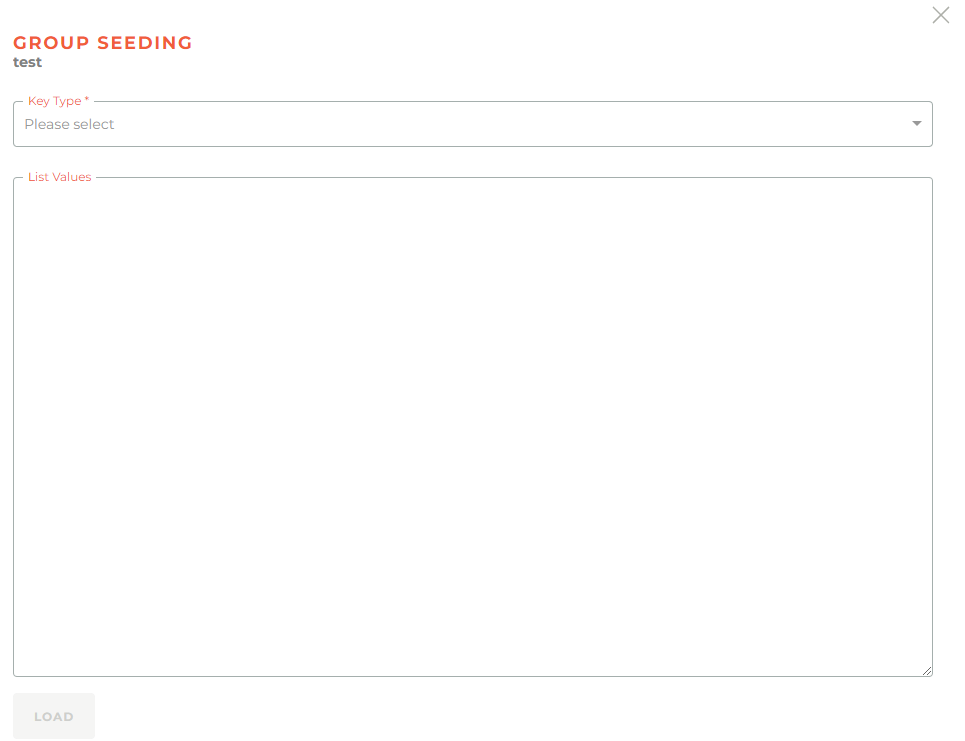
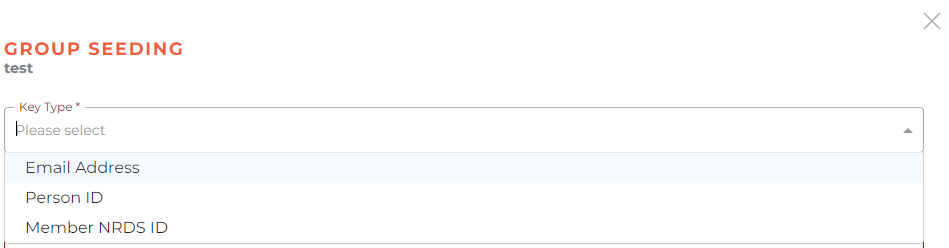
Also called "Group Seeding", the add people window allows you enter a list of people by key type, emails, person IDs or Member NRDS IDs to include those people in the group.
¶ List People
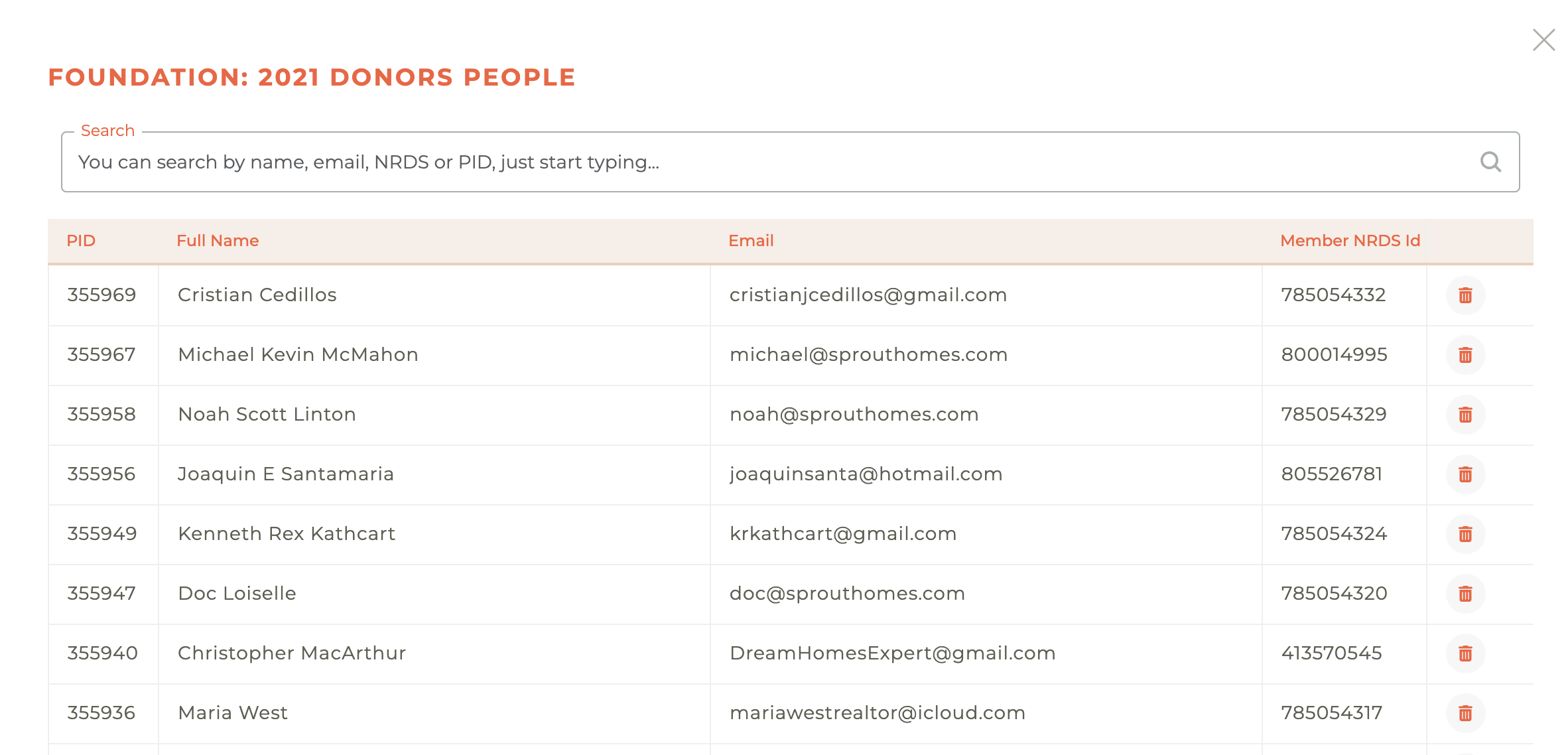
Shows a list of the people in that group and has an option to -- delete individuals from it. You may also search the people included in the group.
¶ Delete Group
Deletes the group.
Please note. Deleting a group cannot be undone, even by a Tangilla customer support.
¶ Using Groups In segments
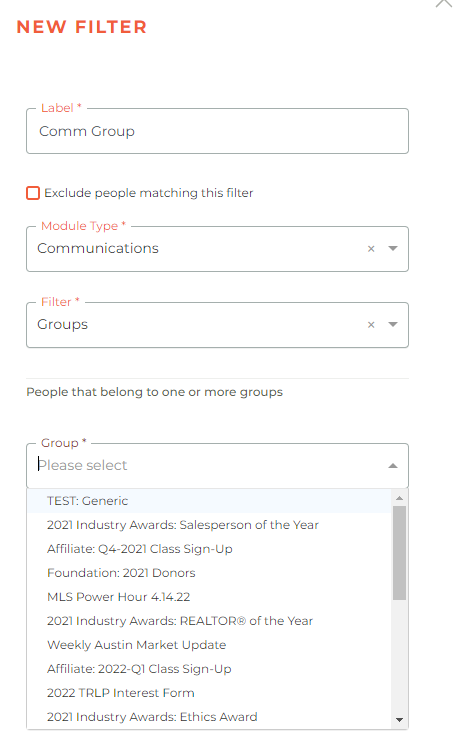
You can use any group as a filter for segments. The filter will display ONLY the people you manually include in the group and can be used in combination with other filters. Therefore, a Group is a good way to eliminate specific people from a Segment by using the Not option on the Segment filter.
¶ Frequently Asked Questions
| # | Question | Answer |
|---|---|---|
| 1 | What is the purpose of the “Groups” feature in the Communications module? | It lets you build a custom collection of people (a manual “filter”) that shows up in Segment Filters under Communications, so you can reuse it like any other Segment filter. |
| 2 | How do I create a new Group? | Click the plus icon in the top-right corner of the Groups screen; a slide-out panel appears where you enter the Group’s name and save. |
| 3 | Which identifiers can I use to add people to a Group? | You can paste a list of emails, person IDs, or Member NRDS IDs. |
| 4 | What does “Group Seeding” mean? | It’s the Add people action that opens a window where you seed (import) your list of IDs/emails to populate the Group. |
| 5 | Can I see who is in a Group after I create it? | Yes—choose List People; you’ll get a searchable roster and can remove individuals with the trash-can icon. |
| 6 | What happens if I delete a Group by mistake? | Deleting a Group is permanent; even Tangilla customer support can’t restore it. |
| 7 | How can Groups refine my Segments? | Add the Group as a Segment filter. Because it contains only the manually selected people, you can combine it with other filters or use the Not option to exclude them. |
| 8 | Is there a way to rename an existing Group? | Yes—click the Edit icon to open a slide where you can change the Group’s name. |
| 9 | Can I search for specific members inside a Group? | Absolutely. In the List People view, a search field lets you filter the displayed members before optionally deleting any of them. |
| 10 | After creating a Group, where will I find it when building Segments? | It appears under Communications → Groups in the Segment Filters panel, ready to be used like any other filter. |
| 11 | Which icons represent each main Group action (Edit, Add People, List People, Delete Group)? | Edit – pencil icon, Add People – user-plus icon, List People – users icon, Delete Group – trash icon. |
| 12 | What happens when I use the “Not” option with a Group in a Segment filter? | The Segment will include everyone who meets your other criteria except the members of that Group, making it an easy way to exclude specific people from mailings or reports. |
| 13 | What happens if I try to add someone who’s already in the group? | The system is smart enough to detect duplicates; it simply lets you know the person is already there and skips adding them again. |
| 14 | How do “exclude” filters work when building a segment? | In a segment you can say, “Include everyone who meets X criteria but exclude anyone in Group Y.” As soon as someone is added to—or removed from—Group Y, the segment updates automatically. |
| 15 | Can a single group be used both to include and to exclude recipients? | Absolutely. The same group can be leveraged positively (send only to that group) or negatively (send to a larger audience but omit that group). |
| 16 | What if the system can’t match an email to a person record when bulk-loading a group? | It will flag the unmatched email so you can track down the correct person (or a different identifier) and add them manually. |